
Understanding how to properly manage and transfer property is crucial for long-term security and legacy planning. Estate planning services offer expertise and guidance for property ownership, ensuring legal and financial stability. This article outlines the essential steps for owning property using an estate planning service.
A Professional Estate Planning Service
Estate Planning and Its Importance
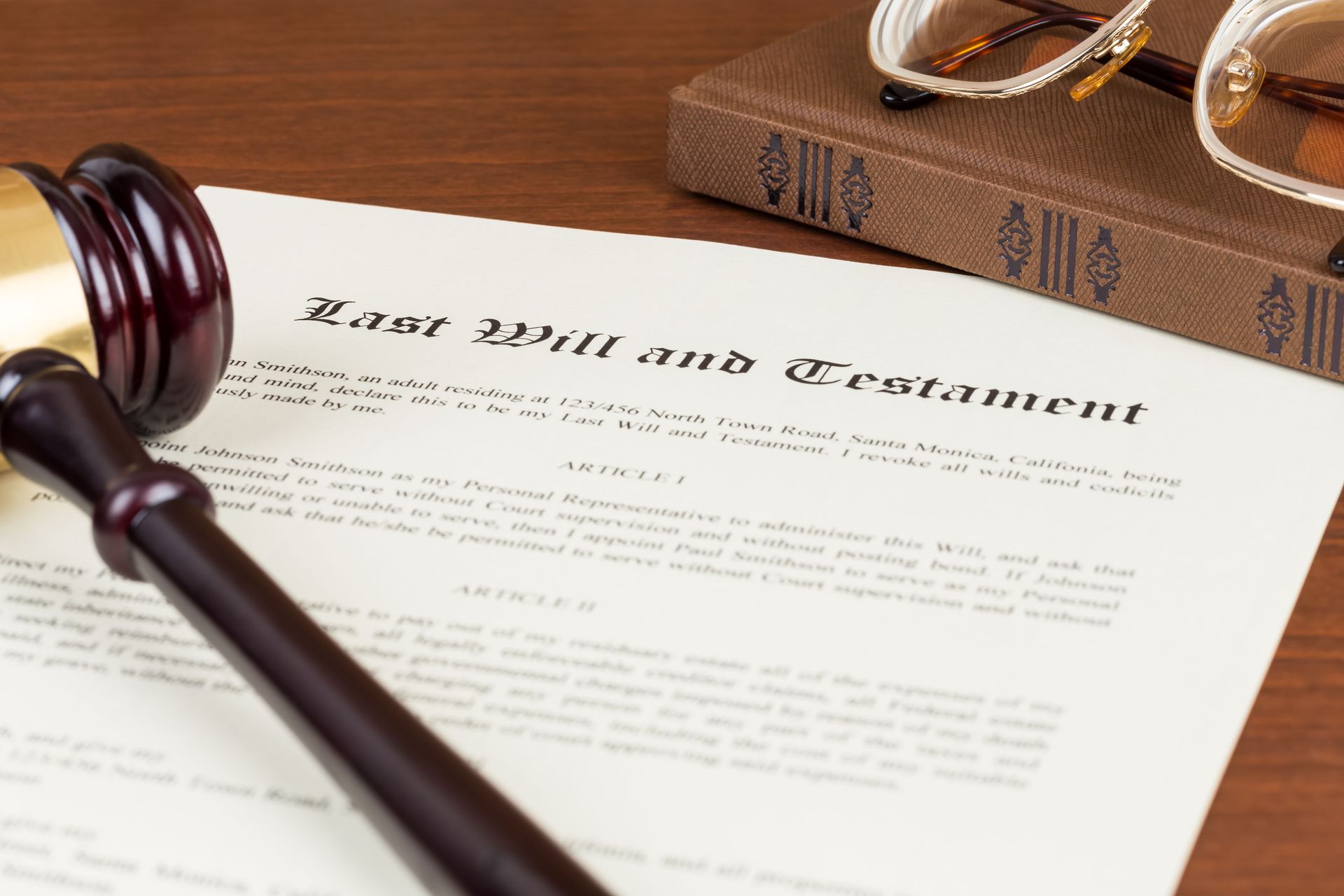
Estate planning refers to the process of preparing for the management and/or disposal of a person's estate during their life and after death. It encompasses a range of legal and financial instruments that ensure an individual's wishes are respected and assets are distributed accordingly. Proper estate planning is crucial as it helps in preventing family disputes and ensures that beneficiaries are looked after. This plan can also provide peace of mind by knowing that one's property, wealth, and personal wishes are secure and respected. According to a study by Caring, only one in three adults in the U.S. currently have a will or other estate planning document in place, highlighting the gap in awareness and planning.
Types of Estate Planning Professionals
There are several professionals involved in estate planning, including attorneys, financial advisors, and tax experts. Attorneys often act as the primary consultants, drafting necessary documents like wills and trusts, and ensuring legal compliance. Financial advisors assist in asset management and growth strategies, aligning estate planning with broader financial goals. Tax experts play a critical role in minimizing tax liabilities and maximizing inheritances through strategic planning. Working with these professionals together ensures a comprehensive approach, covering all aspects of estate management and transition.
Common Myths About Estate Planning
Estate planning is often surrounded by myths, one of the most common being that it is only necessary for the wealthy. However, estate planning is essential for anyone who owns property, has children, or wants control over their health and financial decisions in the future. Another misconception is that once an estate plan is in place, it never needs revisiting. In reality, estate plans should be updated regularly to reflect changes in law, family status, or financial circumstances. Understanding these myths and addressing them is important to achieve a robust estate plan.
Initial Consultation
The initial consultation with an estate planning service often involves an in-depth discussion of an individual's assets, family structure, and personal wishes. Professionals will ask questions regarding financial goals, current asset structures, and any existing documents like wills or powers of attorney. This meeting aims to gather all necessary information to tailor an estate plan that meets legal standards and fulfills the client's intentions. Clients should come prepared with a list of assets and any specific questions they may have about their estate. The consultation serves as the foundation for creating an effective and personalized estate plan.
Property Assessment and Valuation
Comprehensive Property Search
A thorough property search is an essential step in estate planning, ensuring that all assets are accounted for and properly valued. It involves identifying all properties owned, whether residential, commercial, or land holdings, and compiling them into the estate plan. Conducting a proper search also involves checking for any liens, deeds, or encumbrances that could affect ownership. Detailing these aspects helps provide a clear picture of the estate and aids in making informed planning decisions. Proper documentation and assessment are crucial for seamless future transactions and transfers.
Property Appraisal Techniques
Accurate property appraisal is a cornerstone of estate planning, as it determines the current market value of an asset, influencing tax obligations and distribution plans. Various appraisal methods, such as comparative market analysis, income capitalization, and cost appraisal, may be utilized depending on the property type. Professional appraisers often conduct these evaluations, ensuring objectivity and accuracy in valuations. The findings influence decisions related to sale, inheritance, or charitable donations of the property. Regular property reappraisals may also be needed to reflect market changes or improvements.
Market Trends and Their Impact
Staying informed about market trends is vital for making strategic estate planning decisions. Property values fluctuate due to economic conditions, interest rates, and supply-demand dynamics, directly impacting the estate's net worth. Following real estate trends provides insights into the right timing for buying, selling, or holding assets. Adapting the estate plan to these trends ensures maximization of asset value and minimization of risks. Estate planners frequently advise on current market conditions, enabling better planning and informed decisions.
Legal Aspects of Property Ownership
Understanding the legal aspects of property ownership with an estate planning service is crucial to ensuring an estate plan's effectiveness and legality. Different jurisdictions have varying laws and regulations, influencing ownership rights, transfer procedures, and taxation. Familiarity with these legal considerations helps in structuring the estate to comply with local laws and avoid disputes. Legal advisors play a pivotal role in navigating this complex landscape, ensuring documentation is accurate and up-to-date. Staying informed about legal changes is necessary to keep the estate plan current and enforceable.
Structuring Ownership
Types of Property Ownership
Property can be owned in several forms, each with unique legal and financial implications. Sole ownership refers to an individual's exclusive rights to a property, offering full control but also full responsibility. Joint ownership involves shared interests, often seen in joint tenancies or tenancies in common, distributing ownership rights but also liabilities. Trust ownership assigns the property's legal title to a trustee, providing flexible management while offering asset protection. Choosing the right form of ownership is fundamental to an effective estate plan, considering factors like taxes, control, and liability.
Joint Ownership vs. Sole Ownership
Deciding between joint ownership and sole ownership requires careful consideration of an individual's estate planning goals. Joint ownership can simplify the transfer of property upon death, as rights are automatically passed to the surviving owner, reducing court involvement. However, joint ownership can invite complexities if disagreements arise between parties or external claims are made. Sole ownership allows complete control, but risk and responsibility are not shared, potentially complicating future transitions. Weighing these factors is vital for choosing an ownership structure that aligns with personal and financial objectives.
Trusts and Their Role in Estate Planning
Trusts are a powerful tool in estate planning, offering flexibility, control, and protection over property distribution. They allow the designation of a trustee to manage assets for beneficiaries, reducing probate delays and providing privacy. Numerous trusts exist, such as revocable and irrevocable, each suiting different planning needs and offering various benefits. Trusts can also aid in tax optimization, shielding assets from estate taxes while preserving wealth for heirs. Crafting a well-structured trust integrates seamlessly with other estate planning elements, enhancing overall asset management.
Implications of Legal Structures on Taxes
The legal structure of property ownership significantly affects tax obligations and advantages. Different ownership types and legal entities, such as trusts and partnerships, may influence estate, capital gains, and income taxes. Understanding these implications allows individuals to capitalize on potential deductions and minimize tax liabilities. Professionals can provide tailored advice and strategies to optimize taxes according to the estate's chosen structure. Regular reviews with an estate planning service of legal structures and tax codes ensure ongoing compliance and efficiency in estate planning.
Effective estate planning is a critical component of property ownership, ensuring your assets are well-managed and legally protected. By following these essential steps and utilizing professional estate planning services, you can secure your property and create a lasting legacy for future generations. Call Brehmer Law LLC today to learn more about our estate planning service.














Share On: